Autobiography of B. Indira– B. Indira
When Life Became the Story
B. Indira ’s autobiographical writing grows directly from experiences that shaped her personal and professional life. Her memories of Kerala, Gulf life, family, work as a librarian, travel, motherhood, loss, and changing circumstances became material she felt needed to be recorded. For readers searching for the Autobiography of B. Indira , these works offer a close view of how she understood and revisited important periods of her life. Rather than simply recounting events, she writes through memory, emotion, reflection, and the meaning those experiences acquired over time.
Memories Carried Across Places and Years
The autobiographical writing of B. Indira moves through different places, stages of life, and personal transitions. Memories from Kerala, her professional years, family life, the Gulf, travel, and periods of change return in her work not as isolated incidents, but as experiences connected by time. Each place carries its own people, routines, emotions, and unanswered questions.
As the years passed, these memories gained new meaning through reflection.B. Indira often revisits experiences after distance has allowed her to see them differently, turning personal moments into written memory. Her autobiographical works therefore connect place, time, relationships, loss, resilience, and recollection, showing how experiences continue to shape a person long after the original moment has passed.
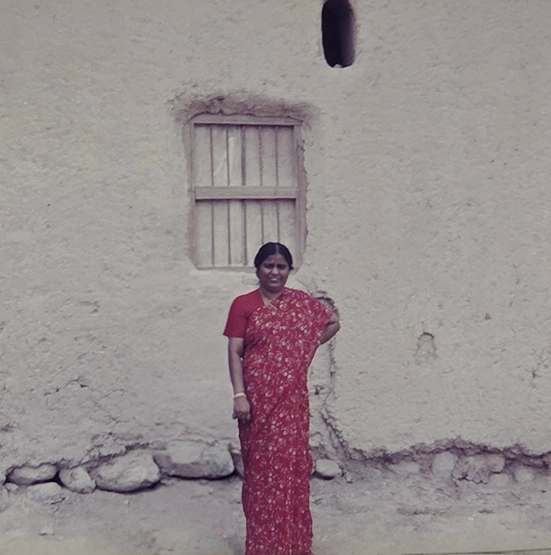
When the Gulf Became Part of the Narrative
Life in the Gulf became an important part of B. Indira’s autobiographical writing, giving her experiences away from home a lasting place in her books. Unfamiliar surroundings, daily observations, changing routines, solitude, and the emotional distance from familiar life gradually became material for reflection. She has described three autobiographical works as being connected with her Gulf experiences, each shaped by different memories.
In Alquarathile Udhayasthamayam, even the view from an apartment became part of the narrative, particularly the arrival of birds and the changing light of sunrise. Such details show how B. Indira notices ordinary moments within unfamiliar places and preserves them through writing. Her Gulf narratives therefore combine personal experience, place, observation, memory, and the emotions of living away from home.
Writing Through Loss and Remembrance
The death of B. Indira ’s son, Challenge, became one of the most painful turning points in her life and deeply affected her writing. The period that followed carried grief, silence, memory, and emotional disruption, and for a time, even her writing journey was interrupted. Yet those memories later became part of works shaped by motherhood, loss, remembrance, and the effort to live through absence.
In Arinje Adarane Jeeva Kanagal, she returned to memories connected with the final period of her son’s life and the difficult time that followed. Through such writing, B. Indira does not treat loss as a single event; she reflects on how grief changes memory, relationships, and the way life is understood afterwards.
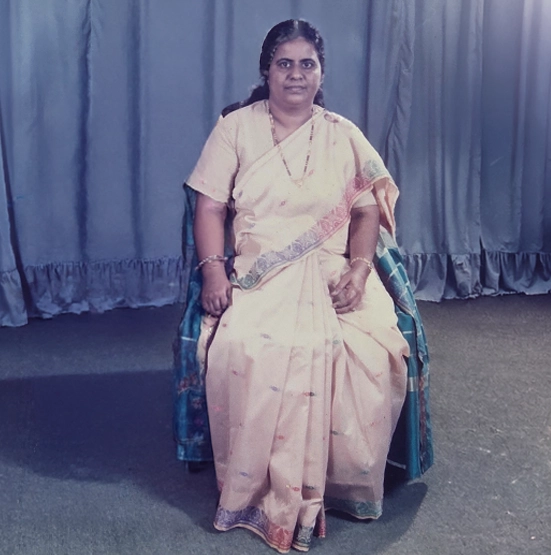
A Librarian’s Life Beyond the Bookshelves
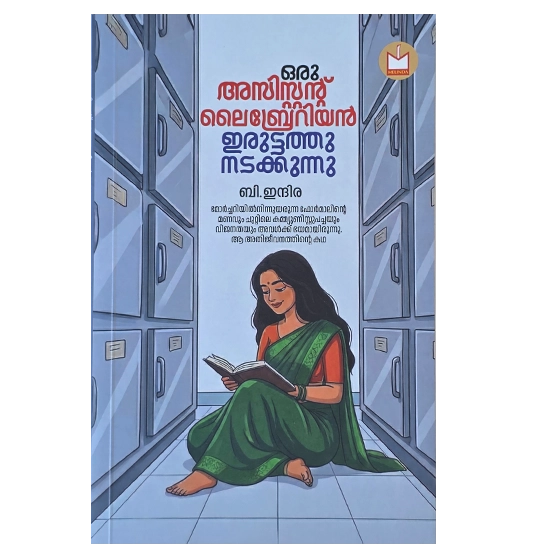
B. Indira ’s professional life as an Assistant Librarian at Kottayam Medical College gave her experiences that later entered her autobiographical writing. Working in a medical college environment exposed her to long hours, night duty, silence, frequent power cuts, and the unusual atmosphere of the campus after dark. These experiences became closely connected with the memories she carried from that phase of life.
In Assistant Librarian Iruttath Nadakunnu, she drew from those years, including memories of working at night, the nearby mortuary, limited staff presence, and the uncertainty created by power failures. The book also reflects aspects of her professional journey and preparation for PSC examinations, turning workplace experience into a deeply personal record.
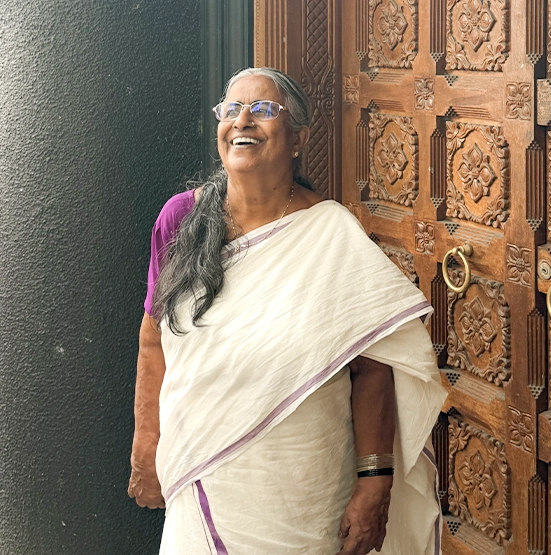
Turning Difficult Years Into Written Memory
Some of B. Indira ’s most personal writing emerged from periods marked by uncertainty, grief, change, and emotional strain. Rather than leaving those years only as private memories, she gradually transformed them into memoir, autobiographical reflection, and narrative, allowing difficult experiences to be examined with greater distance and clarity over time.
This process gave her a way to preserve what happened, how it was felt, and what remained afterwards. Experiences connected with family, professional life, separation, loss, and personal transition became part of a written record that carries both memory and reflection. For B. Indira , writing through difficult years became a way of understanding experience without simplifying it.
Writing
Recognition
Writing
Genres
Famous Malayalam Short Story Writers – B. Indira
A Life Remembered Through Writing
For B. Indira, autobiographical writing became a way of returning to places, people, professional experiences, family relationships, Gulf life, motherhood, loss, and personal change with the perspective that time made possible. Her works do not merely record what happened; they examine how an experience was remembered, how it altered her, and why certain moments continued to remain important years after they had passed.
For readers exploring Famous Malayalam Short Story Writers and the wider landscape of Malayalam personal and autobiographical writing, her work reveals how lived experience can move naturally between memory, reflection, storytelling, and emotional truth. From experiences as an Assistant Librarian to memories of life abroad and the loss of her son, Challenge, different chapters of her life have found their place in writing. Through these works, B. Indira preserves not simply events, but the people, emotions, questions, and memories that continued to live beyond them.