Best Malayalam Novels for Beginners – B. Indira
Where Life Begins to Become Fiction
B. Indira is a Malayalam novelist whose fiction grows from closely observed people, relationships, places, and lived experiences. Her novels often begin with a character, memory, or situation that stays with her long enough to take fictional form. Drawing from family life, women’s experiences, Gulf life, social realities, and personal observation, she develops stories that remain connected to everyday human emotions. For readers exploring the Best Malayalam Novels for Beginners, her fiction offers an accessible entry into stories shaped by recognisable lives, emotional depth, and human relationships. For B. Indira, fiction is not separate from life; it becomes another way of examining what people carry, endure, remember, question, and sometimes leave unsaid.
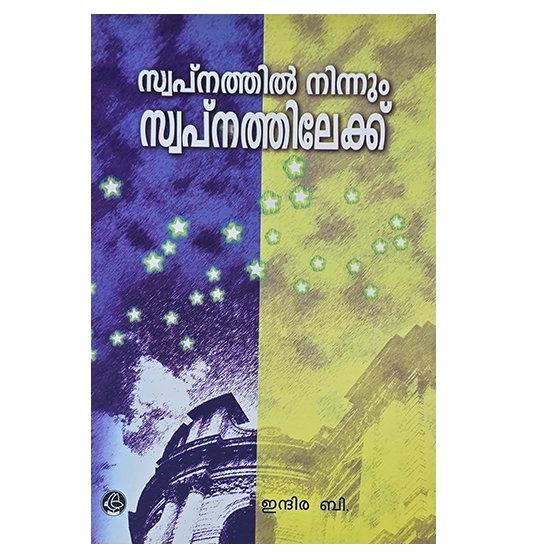
Characters That Stay Before They Are Written
For B. Indira a character is often formed long before the first sentence of a novel is written. She allows people, emotions, conversations, and situations to remain in her mind, gradually understanding how a character might think, respond, and belong within a story. This process gives her fictional characters a connection to recognisable human behaviour and everyday experience.
Once writing begins, continuity and concentration become especially important. An interruption can disturb the emotional rhythm she has built around a character, sometimes requiring her to reread earlier pages several times before returning to the same flow. Her novels therefore develop through a patient process in which characters are observed, understood, carried inward, and only then given their place on the page.

When Personal Experience Enters the Story
Many of B. Indira’s novels draw strength from experiences she has personally witnessed or lived through. Family relationships, life in the Gulf, professional experiences, travel, grief, social observation, and changing circumstances often become the emotional ground from which a fictional situation develops. These experiences are not simply retold; they are reshaped through characters, dialogue, setting, and conflict.
This is especially visible in works influenced by Gulf life, women’s experiences, family dynamics, and personal transition. A memory or difficult period may become only one part of a much larger fictional world. For B. Indira, personal experience gives fiction emotional truth and recognisable human detail, while imagination allows that experience to move beyond biography and become a story that belongs to the reader as well.
Women, Relationships, and Everyday Lives
Women and the relationships around them occupy an important place in B. Indira’s fiction. Her novels often look closely at family roles, ageing, emotional dependence, responsibility, companionship, and the quiet pressures of everyday life. Rather than treating these experiences as background, she allows them to shape the way characters think, respond, and change within a story.
Works such as Ammakala reflect this interest in women’s lives and experiences across different stages of life. B. Indira ’s approach is rooted in observation, empathy, and familiarity with ordinary human relationships, giving her characters emotional depth without making them distant from real life. Through these stories, she examines how women carry memory, duty, affection, disappointment, strength, and change within everyday relationships.

Stories Shaped by Place and Experience
Place plays an important role in the fiction of B. Indira , especially when a setting carries its own memories, routines, distances, and emotional pressures. Her experiences of life in the Gulf, travel, changing surroundings, and encounters with different communities have provided material that later found expression through fictional situations, characters, and relationships.
This is evident in works such as Pravasathile Kazuthagal, which draws from her own experience of Gulf life. Rather than using place only as a background, B. Indira allows it to influence the way characters think, adapt, remember, and respond to change. In her novels, location and lived experience often work together, giving the story a stronger sense of reality, movement, and emotional context.

When a Story Refuses to End
Some stories remain unfinished even after they reach readers. B. Indira’s novel Adhiyan was published without a complete ending, leaving the narrative open in a way that continued to stay with those who read it. Years later, a reader responded to the novel and suggested that more chapters could be added, showing how strongly a story can continue beyond its first publication.
For B. Indira , this became a reminder that a novel can have a life beyond the writer’s original plan. Reader response, memory, unfinished possibilities, and the characters themselves can keep a story active long after publication. In such moments, the relationship between writer, story, reader, and continuing imagination becomes part of the book’s longer literary journey.
Writing
Recognition
Writing
Genres
Famous Malayalam Writers and Their Books – B. Indira
A Novel Continues Beyond Its Last Page
For B. Indira, a novel does not end simply because the final page has been written. Characters, memories, relationships, places, and emotions often continue to remain with both writer and reader. Her fiction grows from careful observation, personal experience, imagination, and an understanding of everyday human behaviour, allowing each story to carry something beyond its immediate plot. In that sense, the life of a novel continues through the questions, feelings, and memories it leaves behind.
Across her novels, B. Indira has explored women’s lives, family relationships, Gulf experiences, social realities, personal transitions, and emotional conflict through characters shaped patiently over time. Some stories emerge directly from lived experience, while others transform those experiences through fiction. For readers exploring Famous Malayalam Writers and Their Books, her novels offer a personal perspective shaped by memory, observation, relationships, and human experience. What connects them is a continuing interest in how people remember, endure, change, and relate to one another. Her novels remain part of an ongoing literary journey in which every completed story can still open another thought, memory, or possibility.